
Bone health – what actually matters (and what we often miss).
Bone health is one of those topics most people assume is only relevant later in life.
In reality, what we do now through training, nutrition, and daily habits shapes bone strength for decades.
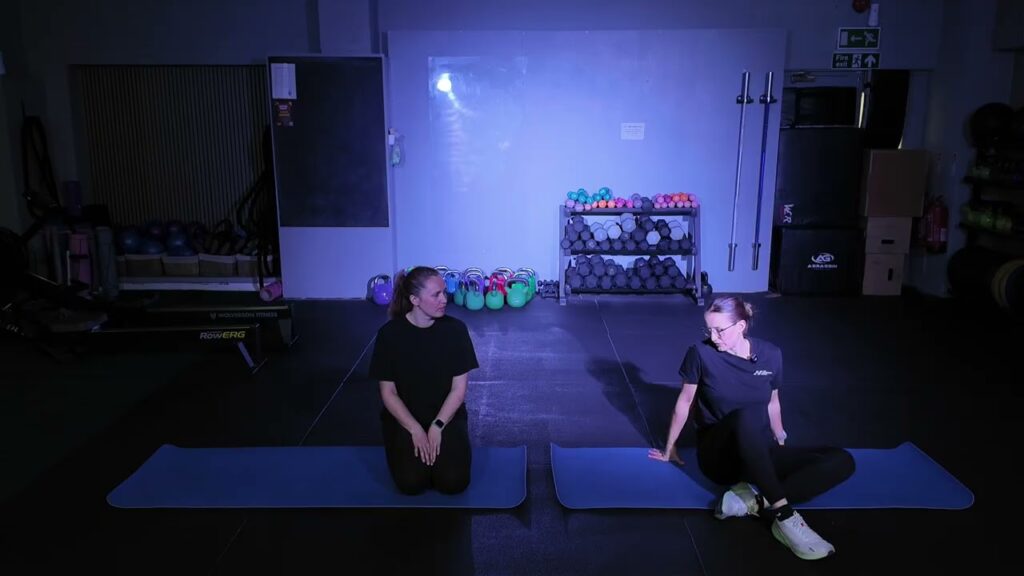
In this episode, we unpack what bone health really means, why it matters earlier than most people think, and what to focus on if you want to stay strong, mobile, and independent long term.
What this episode covers
1) Bone is living tissue, not static
Bone constantly remodels in response to load, movement, hormones, and nutrition.
It adapts when we challenge it and it weakens when we don’t.
Periods of inactivity, dieting without resistance training, and chronic under-fuelling can all contribute to loss of bone density over time.
2) Strength training is one of the biggest drivers of bone health
Weight-bearing and resistance work stimulate bone formation.
This doesn’t mean extreme training. It means consistent, progressive load:
- Lifting weights
- Impact work where appropriate (walking, jogging, jumping)
- Exercises that challenge balance and coordination
Minimal effective dose, done consistently, is often enough to create meaningful change.
3) Nutrition still matters – but it’s not just calcium
Calcium plays a role, but it’s only one piece.
Bone health relies on a wider picture:
- Adequate protein intake
- Vitamin D
- Overall energy intake
- Consistent fuelling, not cycles of restriction
Chronic dieting without strength training is one of the most overlooked risks.
4) Hormones and life stages influence risk
Perimenopause, menopause, long periods of stress, poor sleep, and menstrual disruption can all affect bone health.
This isn’t a reason to panic but it is a reason to train, fuel, and recover intentionally.
5) Prevention is far easier than reversal
Bone loss is slow and often goes unnoticed for a while.
We rarely realise it has happened until pain, injury, or scans highlight an issue.
The best time to build bone strength is long before problems appear.
Why this matters
Stronger bones support everything else we care about:
- Reduced injury risk
- Better training capacity
- Long-term independence
- Confidence in movement
- Ageing well without fear of fragility
This isn’t about aesthetics, it’s about resilience.
Practical takeaways
If you’re not sure where to start, keep it simple:
- Strength train 2-3 times per week
- Prioritise protein at each meal
- Spend time outdoors for natural light exposure
- Avoid long periods of under-eating
- Keep moving daily – walking still counts
Consistency beats perfection here.
Listen to the full episode
We go deeper into the science, common myths, and how to apply this if you’re busy, tired, or juggling shifts and family life.
Listen here on Spotify:
https://spotifycreators-web.app.link/e/AiJyRdWuF0b
If it sparks questions, or you’re unsure how this fits your current training, drop me a message. I’d be happy to help.